Virtual vs. studio product photography: what actually changes
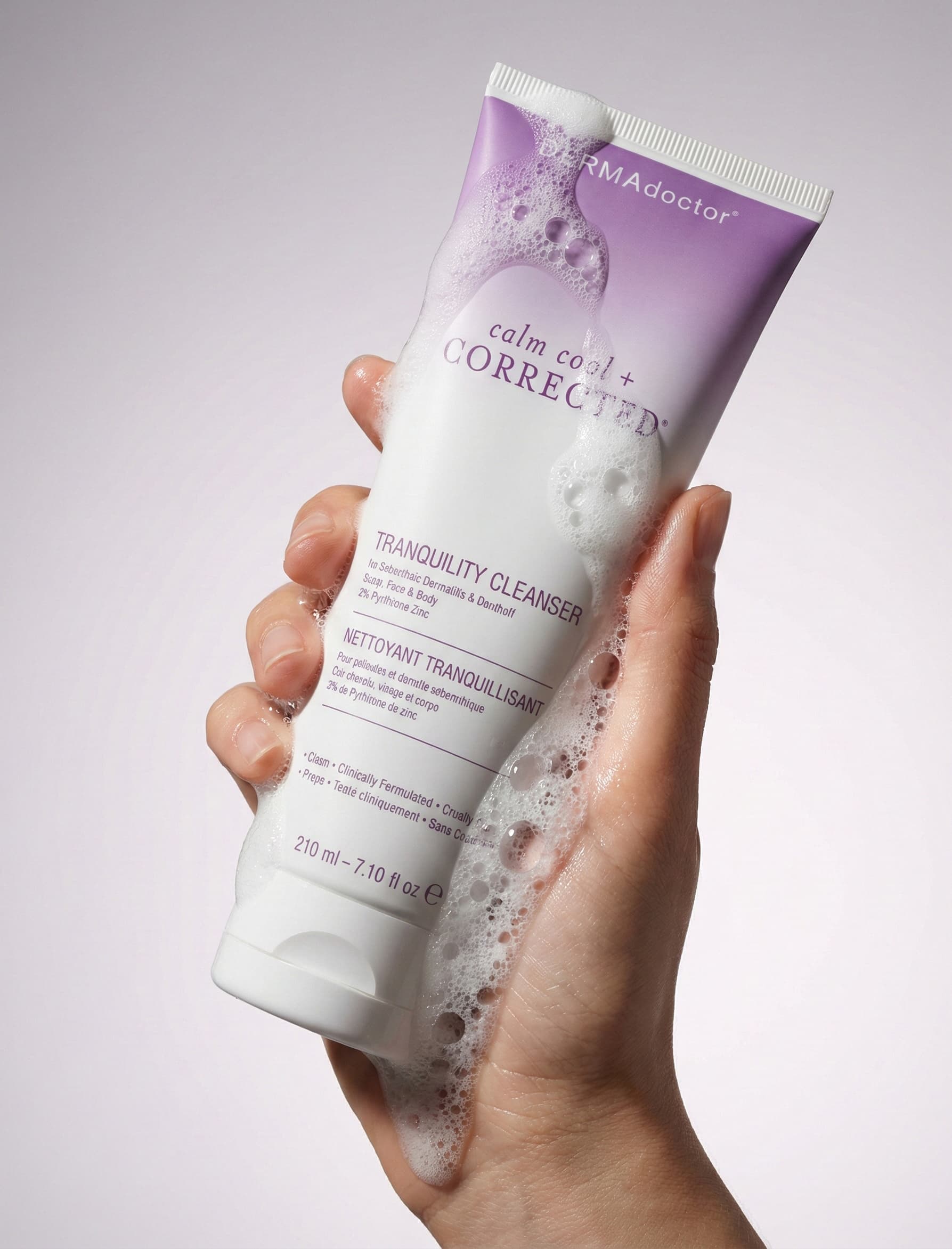
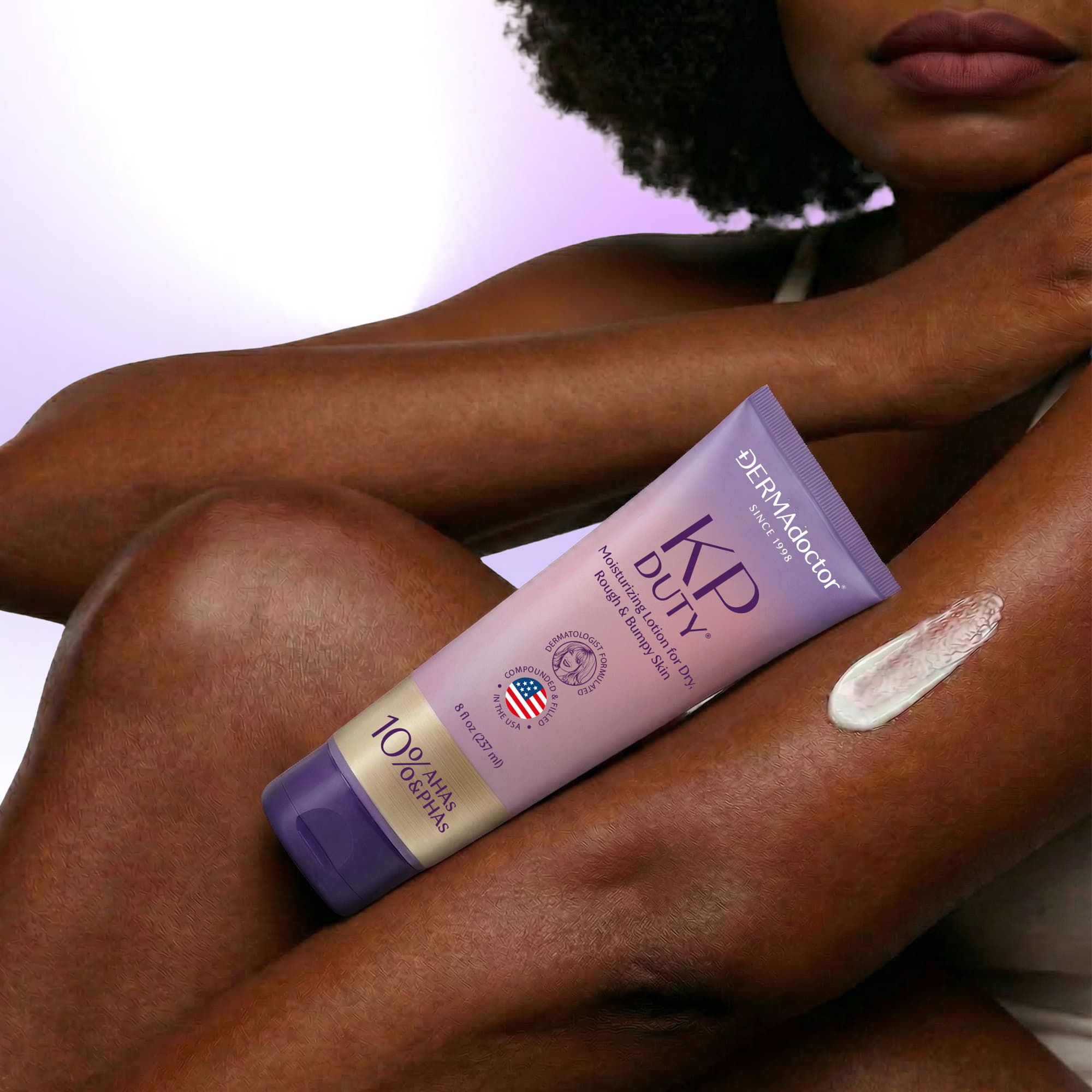
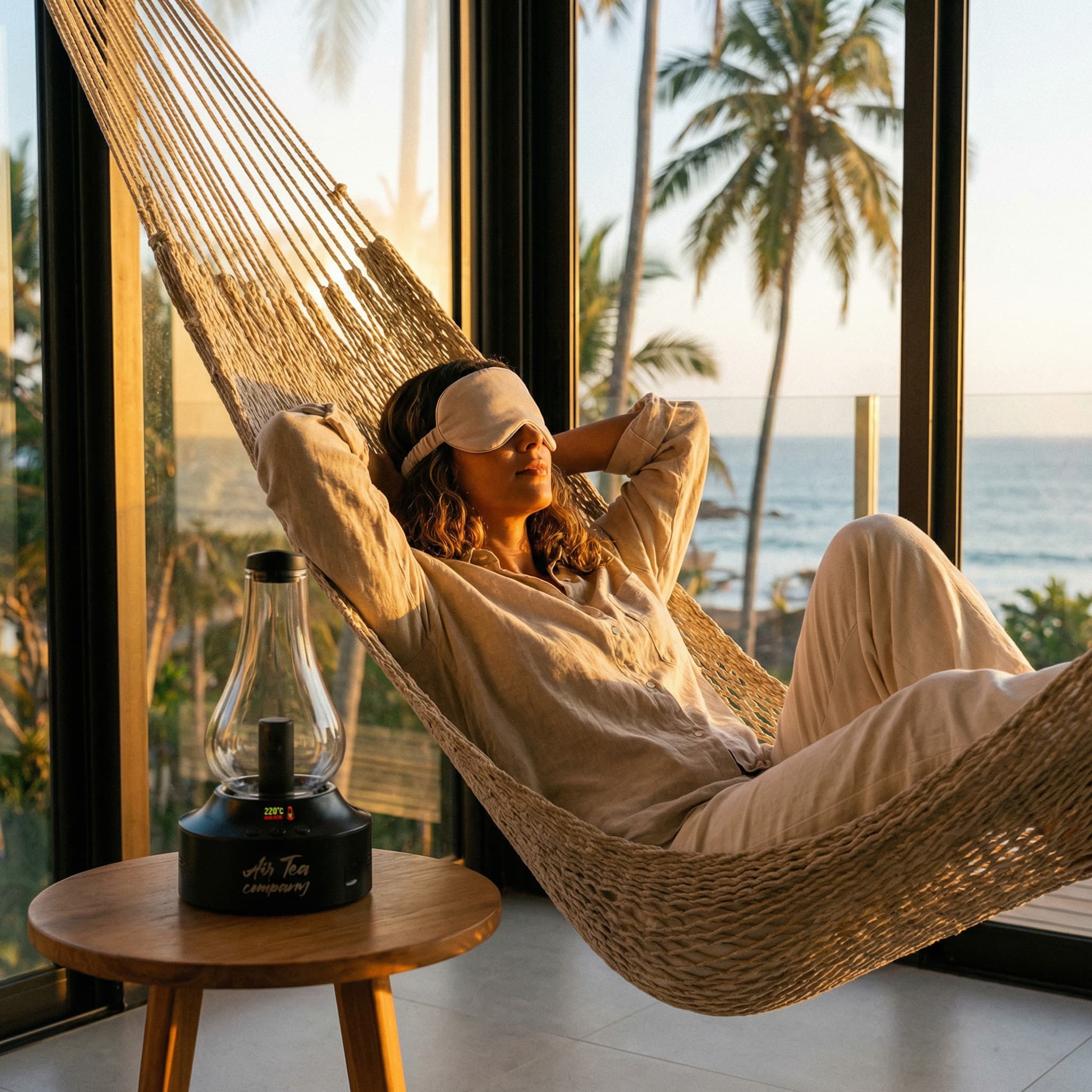
A finished product image doesn't announce how it was made. A shot lit on a physical set and a shot built virtually can sit side by side on the same listing and no shopper will tell them apart. What changes is everything that happens before that final frame: the money, the calendar, and how much you can adjust once you've seen it.
01Cost moves from fixed to flexible
A traditional shoot front-loads its cost: studio rental, crew day rates, props, travel, and a rescheduling fee if the weather or a sample doesn't cooperate. You commit the budget before you've approved a single frame.
Virtual production inverts that. You send one clean product reference, and the set, lighting, and scene are built around it. There's no room to rent and no crew waiting on the clock, so the same budget stretches across far more finished assets, and you approve the direction before it's fully produced.
02Speed compounds across a campaign
The gap isn't just the shoot day; it's the coordination around it. Booking, scouting, sampling, and post can stretch a single campaign across weeks. When the set is virtual, first directions can land the next business day and revisions don't require getting everyone back in a room.
That speed matters most when the moment is time-sensitive: a seasonal drop, a marketplace deadline, a trend you want to ride while it's still live.
03Control is the quiet advantage
Because a virtual scene is composed rather than captured, changing the background colour, swapping props, or generating a new aspect ratio doesn't mean a reshoot. One approved look becomes a full library (feed, story, listing, banner, email), cropped and framed for each place it lives.
The trade you're making isn't quality for convenience. It's rigidity for flexibility.
Bring us your next product.
Send one product shot, and we handle research, direction, production and delivery.